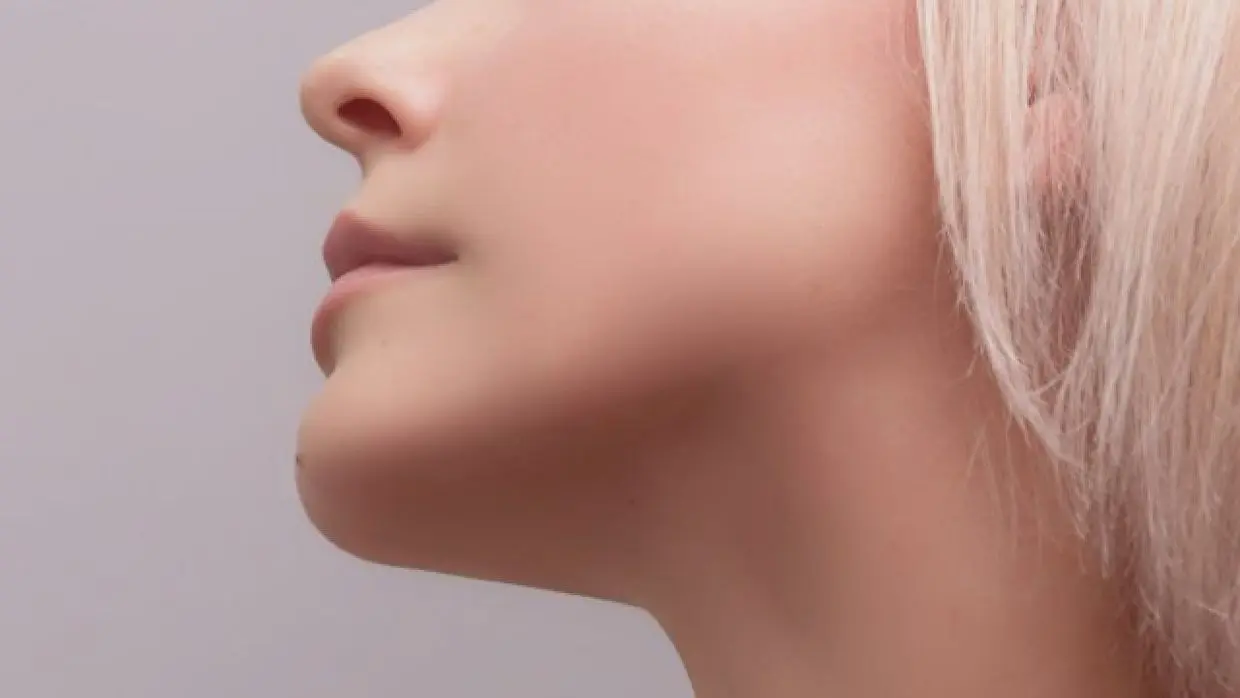

Why does the lower face seem to change faster than everywhere else? If you’ve noticed softness along your jawline or a bit of looseness under your chin, you’re not imagining it, and you’re not alone. At Boise Image Enhancement Centre, we believe the jaw and neck deserve the same thoughtful, evidence-based approach we bring to every other part of the face, because this is often where the earliest and most noticeable signs of aging show up first. For adults across Boise and the Treasure Valley who are weighing their options before considering surgery, understanding what’s actually happening beneath the skin, and what science-backed treatments can realistically do about it, is the right place to start.
What Causes Sagging Jowls and a Loose Neck?
The jawline and neck are structurally vulnerable in a way most other areas of the face are not. Skin here is thinner, there’s less underlying bone support compared to the cheeks or brow, and the platysma muscle in the neck naturally begins to separate and loosen with age. Add in the gradual decline of collagen and elastin production that begins in our mid-to-late twenties, and you have a recipe for skin that no longer springs back the way it once did.
Gravity plays a role too, but it’s often blamed more than it deserves. The real story is deeper: as the deep fat compartments in the face shift and deflate, and as the skin’s structural scaffolding thins, the tissue that once sat snugly against the jaw begins to descend and pool. This is what creates the visual effect we call jowling. Meanwhile, in the neck, loss of skin elasticity combined with muscle banding can create the appearance of looseness even in people who maintain a healthy weight and an active lifestyle.
Genetics, sun exposure, and years of repetitive movement all factor into the timeline, which is why no two people experience this in exactly the same way or at exactly the same age. Understanding this is important, because it shapes what a non-surgical treatment plan should actually target. Tightening the jawline and neck isn’t about pulling skin, it’s about rebuilding the structural support underneath it.
Ultherapy PRIME: Lifting and Firming Without Surgery
This is where Ultherapy PRIME becomes relevant to the conversation. Ultherapy uses focused ultrasound energy to reach the deeper layers of tissue, the same structural layer addressed in a surgical facelift, without cutting or downtime. Rather than resting on the surface of the skin, the energy is delivered at a precise depth to stimulate the body’s own collagen production process from within.
What makes this approach worth understanding is the biology behind it. Ultrasound energy creates a controlled thermal effect at a specific depth, which triggers a natural healing response. Over the following months, the body responds by producing new collagen, gradually firming and lifting the treated tissue. This is not an instant transformation, and it shouldn’t be marketed as one. Results build gradually as collagen remodels, which is part of why the outcome tends to look natural rather than sudden or overdone.
For the jawline and neck specifically, this matters because these areas rely so heavily on that deeper structural support. A treatment that only affects surface skin will do very little for someone experiencing jowling or true neck laxity. If you’re exploring Ultherapy treatment for lifting and firming skin along the jaw and neck, understanding that it works with your body’s own repair process, rather than against it, helps set realistic expectations from the start.
Biostimulators: Supporting a Sharper, More Defined Jawline
Alongside energy-based treatments like Ultherapy, biostimulators play a distinct and complementary role in jawline definition. Where Ultherapy works on tightening existing tissue, biostimulating approaches are more about supporting structure and volume in areas that have thinned over time, helping to restore a cleaner, more defined line along the jaw.
We believe facial balance is never about a single treatment doing all the work. It’s about understanding which tool addresses which part of the problem. Some jawline softness is purely a laxity issue, better suited to energy-based tightening. Other cases involve genuine volume loss along the jawline or chin, where the underlying support has diminished enough that structure itself needs to be addressed. This is where biostimulating dermal fillers can be considered as part of a broader plan, working to support the tissue framework rather than simply filling a line.
For some patients, a PDO thread approach is also worth discussing as part of this conversation. A PDO thread lift option offers a mechanical lifting effect alongside a collagen-stimulating one, which can be relevant depending on the degree of laxity present and the results someone is hoping to see. The right combination, if any, depends entirely on individual facial anatomy, which is exactly why a proper consultation matters more than a generic treatment menu.
What Non-Surgical Treatment Can (and Can’t) Do Compared to Surgery
Honesty matters here more than almost anywhere else in aesthetics. Non-surgical tightening treatments can meaningfully improve the appearance of jowls and neck laxity, particularly for mild to moderate laxity, but they are not a replacement for a surgical facelift or neck lift in every case. We think it does a disservice to patients to suggest otherwise, and we would rather set accurate expectations than overpromise a result.
Surgery physically removes and repositions excess skin and tissue. Non-surgical treatments work differently, by stimulating the body’s own collagen response or supporting existing structure. This means the results are typically more gradual, more subtle, and better suited to earlier signs of laxity rather than significant, longstanding skin excess. For someone with mild jowling or early neck softness, this approach can be a genuinely appropriate and effective option. For someone with more advanced skin laxity, non-surgical treatment may still offer improvement, but the magnitude of change will be different than what surgery could achieve.
This distinction is worth discussing openly during a consultation, and it’s one reason we think education matters as much as the treatment itself. If you’re curious how these newer options compare to more invasive procedures, non-surgical alternatives to a facelift have expanded significantly in recent years, and understanding where they fit relative to surgery helps you make a decision based on your goals rather than marketing language.
How We Approach Jawline and Neck Tightening at Boise Image Enhancement Centre
As Idaho’s first medical spa, Boise Image Enhancement Centre has spent more than 25 years watching this category evolve, from early skin tightening technology to the more refined, evidence-based devices available today. Our approach starts with an honest assessment rather than a predetermined treatment plan, because the right combination for jowls and neck laxity looks different for every face.
Every treatment plan at our practice is overseen by our in-house Medical Director, Dr. Morgann Orm, and delivered by licensed medical professionals, Registered Nurses, Nurse Practitioners, and Doctorates of Nursing Practice, who understand facial anatomy well enough to know when Ultherapy alone is appropriate, when a biostimulator should be added, and when a candid conversation about surgical options is the more responsible recommendation. We don’t believe in defaulting to the most expensive option or the newest device simply because it exists.
A visit typically starts with a conversation about your goals and a physical assessment of your skin’s laxity, thickness, and underlying structure. From there, our team can walk through which combination of treatments genuinely fits your anatomy and your timeline, always with an emphasis on natural, proportionate results rather than a dramatic overnight change. This is the same philosophy that has guided our work in Boise for decades: aesthetics as a blend of art and science, never a shortcut.
Take the Next Step in Boise
If sagging jowls or a loose neck have been on your mind, the most useful next step is simply a conversation. Our team at Boise Image Enhancement Centre can assess your skin, explain which non-surgical approach genuinely fits your anatomy, and answer your questions honestly, including where non-surgical treatment may not be the right fit. If you’d like to explore your options, you can see our skin tightening treatments or call us at 208-375-1221 to schedule a consultation with our Boise-based team.
Frequently Asked Questions
What is the best non-surgical treatment for sagging jowls?
Ultherapy is often the most appropriate starting point for jowl laxity because it uses focused ultrasound energy to stimulate collagen at a deeper structural layer, similar to the level addressed in surgery. Depending on the degree of volume loss, a biostimulating filler or PDO thread lift may also be discussed as a complementary option. The right approach depends on individual facial anatomy and the extent of laxity present.
Can Ultherapy really tighten a loose neck?
Ultherapy is designed to stimulate the body’s own collagen production in the deeper tissue layers, which can gradually firm and lift areas like the neck over several months. It works best for mild to moderate laxity rather than significant, longstanding skin excess. Results build gradually as collagen remodels, rather than appearing immediately.
How is Ultherapy different from a surgical neck lift?
A surgical neck lift physically removes and repositions excess skin and tissue, producing a more dramatic and immediate structural change. Ultherapy works non-surgically by encouraging the body to rebuild its own collagen, which tends to produce a more gradual, subtle improvement. Neither approach is inherently better, they simply suit different degrees of laxity and different patient goals.
Where can I get Ultherapy or non-surgical jawline tightening in Boise?
Boise Image Enhancement Centre offers Ultherapy and other non-surgical skin tightening options for the jawline and neck, delivered by licensed medical professionals under the oversight of our Medical Director, Dr. Morgann Orm. As Idaho’s first medical spa, our team has years of experience evaluating facial anatomy to determine which treatment approach is appropriate. A consultation is the best way to discuss your specific concerns and goals.
How long do results from non-surgical skin tightening treatments last?
Because these treatments work by stimulating your body’s natural collagen production, results develop gradually and vary based on your skin’s condition, age, and lifestyle factors. Collagen naturally continues to break down over time, which means most patients consider periodic maintenance to sustain their results. Your provider can offer a more specific expectation based on your individual assessment.